Bottle by Bottle: The British Condiment Makers Turning Everyday Meals into Something Special
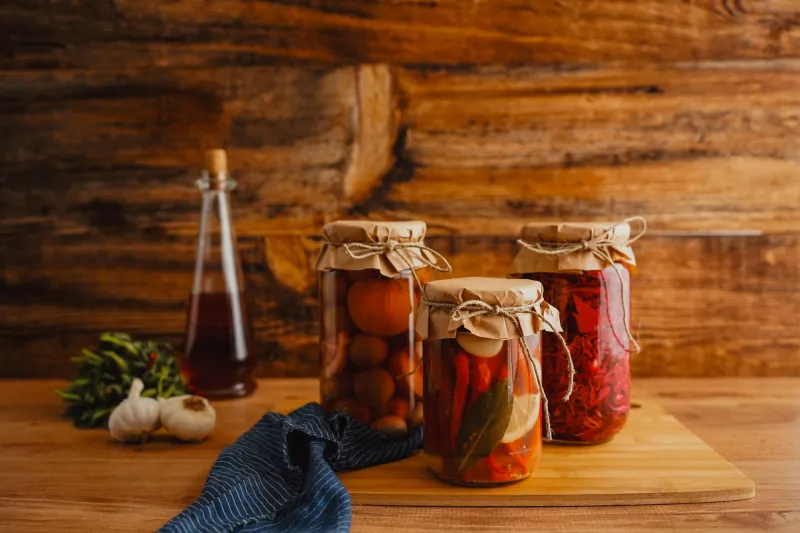
There's a particular kind of kitchen disappointment that comes from reaching for a bottle of something and finding it completely hollow — flavour-wise, that is. The label promises complexity, the colour looks promising, and then you taste it and wonder why you bothered. A lot of the condiments sitting in British cupboards fall into this category: technically edible, largely forgettable.
But something is shifting. Across the UK, a growing number of small producers are making vinegars, sauces, shrubs, and preserves that genuinely deliver on their promise. These aren't novelty products or Instagram bait — they're serious, well-crafted ingredients that belong in the kitchen rather than just on the table.
What We Mean by the Liquid Larder
The phrase 'liquid larder' might sound a bit grand, but it captures something real. The bottles and jars in your kitchen aren't just condiments — they're flavour infrastructure. A well-chosen vinegar can lift a dressing, balance a braise, or cut through richness in a way that nothing else quite manages. A properly made hot sauce adds depth as well as heat. A fruit preserve stirred into a pan sauce transforms something ordinary into something worth eating slowly.
The problem is that most of us inherited our condiment habits from supermarket shopping, where range is limited and quality is largely consistent — consistently mediocre. Once you start exploring what British artisan producers are making, it becomes genuinely difficult to go back.
The Vinegar Renaissance
Vinegar is having a moment, and it's about time. For too long, the word conjured images of malt vinegar on chips or a generic white wine vinegar bought for a recipe and then largely ignored. British makers are changing that narrative entirely.
Fruit vinegars made from British-grown produce — elderflower, raspberry, gooseberry, quince — have a brightness and complexity that imported wine vinegars simply can't match. Producers like Womersley Foods in Yorkshire have been making fruit vinegars for decades, and their products remain benchmarks for the category. A raspberry vinegar drizzled over roasted beetroot, or stirred into a vinaigrette for bitter leaves, is a revelation if you've only ever used the standard stuff.
Raw apple cider vinegars from British orchards are another category worth exploring. These aren't the filtered, pasteurised products sold in supermarkets — they're alive, complex, and genuinely useful. Add a splash to a pan of caramelised onions near the end of cooking, or use it to deglaze a roasting tin after cooking pork. The result has a depth that ordinary vinegar doesn't approach.
Shrubs — drinking vinegars made with fruit, sugar, and vinegar — are also gaining traction. They're brilliant stirred into sparkling water as a non-alcoholic drink, but they're equally useful in the kitchen. A blackcurrant shrub added to a red wine sauce, or a rhubarb shrub used to dress roasted duck, adds a sweet-sour dimension that's hard to achieve any other way.
Sauces That Actually Do Something
The British sauce tradition is deep and often overlooked. We invented Worcestershire sauce, HP sauce, and brown sauce — products so embedded in our food culture that we barely think of them as artisan ingredients anymore. But the makers working in that tradition today are doing genuinely interesting things.
Small-batch Worcestershire sauce made with proper anchovies, tamarind, and long-fermented ingredients bears almost no resemblance to the industrial version. It's richer, more complex, and far more useful as a cooking ingredient. A few dashes in a slow-cooked beef stew, a shepherd's pie filling, or a Bloody Mary makes an immediately noticeable difference.
Beyond the classics, British makers are producing chilli sauces, fermented hot sauces, and umami-rich condiments that draw on global flavour traditions while using locally sourced ingredients. The Wiltshire Chilli Farm, for example, grows its own chillies in the UK and produces a range of sauces with genuine provenance. Others are fermenting British-grown vegetables into gochujang-style pastes and miso-adjacent condiments that work beautifully in both Eastern and Western cooking contexts.
Preserves Beyond the Toast Rack
British preserves have a long and honourable history, but they've been somewhat trapped by their own reputation. Jam is for toast. Marmalade is for breakfast. Chutney is for a cheese board. These associations aren't wrong, but they're limiting.
A good apricot jam stirred into a marinade for lamb chops, or used to glaze a roasting bird in the final minutes of cooking, is a genuinely useful trick. Seville orange marmalade dissolved into pan juices with a little butter makes an instant sauce for duck breast that takes about two minutes to prepare. Chutneys — especially the more complex, less sweet varieties being produced by smaller makers — work brilliantly as a condiment for grilled meats as well as cheese.
Producers like Mrs Darlington's, based in Cheshire, have been making high-quality preserves for years, and their range rewards proper exploration. Newer makers are pushing the category further still, producing preserves with unusual flavour combinations — damson and sloe, gooseberry and elderflower, greengage and vanilla — that reflect the breadth of what grows well in British conditions.
How to Actually Use These Things
The most common mistake with interesting condiments is buying them and then being too precious to open them. They're ingredients, not trophies. Here are a few ways to start using them properly:
In dressings: Fruit vinegars and shrubs work brilliantly in salad dressings. Use them in place of lemon juice or standard wine vinegar and adjust for sweetness.
In braises and stews: A spoonful of chutney, a dash of Worcestershire sauce, or a splash of cider vinegar added to a slow-cooked dish near the end of cooking adds complexity and rounds out the flavour.
As glazes: Preserves diluted with a little hot water make instant glazes for roasting meats and vegetables. Brush on in the final 15 minutes of cooking.
In marinades: Vinegars tenderise as well as flavour. A marinade built around a quality fruit vinegar, good oil, and aromatics works brilliantly on chicken, pork, and oily fish.
Where to Find the Good Stuff
Farmers' markets remain one of the best places to discover small condiment producers, many of whom sell only locally or through their own websites. Specialist food shops — Fortnum & Mason, Melrose and Morgan, many independent delis — stock a curated range of British artisan condiments worth exploring.
Online is increasingly the easiest route. Most small producers sell direct, and buying from them directly means more of your money reaches the maker. It also tends to mean you can ask questions — about ingredients, provenance, and how best to use what you're buying.
Your condiment shelf deserves better than it's probably getting. Start with one or two new bottles and see what they do to your cooking. The results might genuinely surprise you.