Rediscovered and Remarkable: The Heritage British Condiments Reclaiming Their Place at the Table
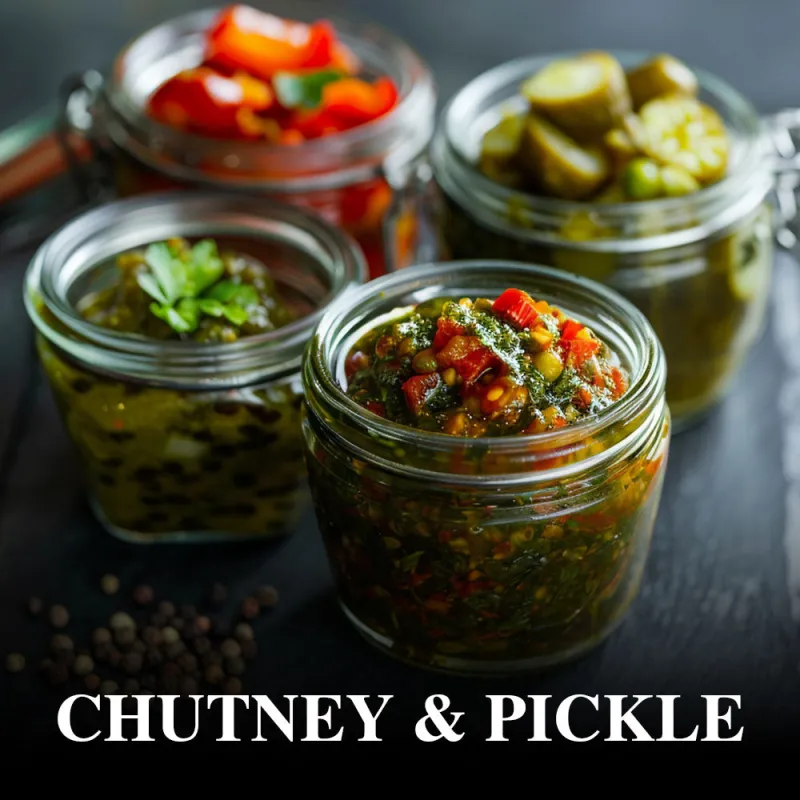
Photo: artisan British condiments jars chutney mustard pickle rustic table, via parkersfoodservice.com
Ask most people to name a British condiment and you'll get one of two answers: HP Sauce or Branston Pickle. Both are brilliant in their own right — nobody's arguing otherwise — but they're just the tip of a very well-seasoned iceberg. Britain has a condiment heritage that stretches back centuries, shaped by regional produce, trade routes, and a genuine love of bold, punchy flavour. And right now, that heritage is having a very welcome moment.
From Somerset farmhouse chutneys to Tewkesbury mustards that would have graced a Tudor banquet, independent producers across the country are dusting off Victorian recipe books and making something genuinely exciting. So let's get into it.
The Mustard You've Never Heard Of (But Absolutely Should)
Most of us reach for a jar of Colman's without a second thought. It's reliable, it's sharp, it does the job. But British mustard has a far richer story than that yellow tin lets on.
Tewkesbury mustard — a blend of ground mustard seed and horseradish that dates back to at least the 16th century — was famous enough to earn a mention from Shakespeare. For a long time, it nearly vanished entirely. But small artisan producers in the Gloucestershire area have been quietly reviving it, and the result is something altogether more complex than your average supermarket jar. It's got heat, yes, but also a kind of earthy warmth that makes it extraordinary slathered on a rare roast beef sandwich or stirred into a cheese sauce.
Further north, Yorkshire-based makers are producing whole-grain mustards using locally grown seeds, with additions like Yorkshire ale or honey from regional beekeepers. These aren't novelty products. They're serious condiments with genuine depth, and they deserve a permanent spot in your fridge door.
How to use it: Stir a teaspoon into salad dressings, whisk through a pan sauce for pork chops, or spread generously onto a ploughman's board alongside a good crumbly Wensleydale.
West Country Chutneys: More Than Just a Cheese Board Companion
The West Country has a long tradition of preserving — cider apples, damsons, courgettes from kitchen gardens that produce more than any family could eat fresh. It's no surprise, then, that some of the most interesting chutneys in Britain are coming out of Somerset, Devon, and Dorset.
Where a standard supermarket chutney tends to lean sweet and one-dimensional, the better artisan versions from this part of the world have a proper savouriness to them. Cider vinegar — often made from local apples — gives them a fruity tartness. Slow-cooked onions add body. Some makers are adding warming spices like fenugreek or black mustard seed, harking back to the Victorian fashion for Anglo-Indian flavour combinations.
One particularly interesting trend is the revival of green tomato chutney — a brilliant use of end-of-season gluts that has a sharper, more vegetal character than its ripened counterpart. It's brilliant with cold meats, exceptional in a cheese toastie, and surprisingly good alongside grilled mackerel.
How to use it: Don't just save chutney for the cheese board. A spoonful stirred into a slow-cooked stew adds depth and sweetness. It's also a great glaze for roast ham in the final half hour of cooking.
The Great British Pickle Revival
Pickles in Britain have a fascinating and somewhat overlooked history. Before refrigeration, pickling was essential — a way of preserving vegetables, fish, and even eggs through winter. The Victorians were particularly enthusiastic, and recipe books of the era are packed with formulas for pickled walnuts, nasturtium capers, and spiced red cabbage.
Pickled walnuts deserve special attention here. They're intensely savoury, almost meaty in character, and utterly unlike anything else in the condiment world. The process involves picking walnuts while they're still green and soft (before the shell has formed), then brining and spicing them over several weeks. The result is a dark, glossy pickle that pairs magnificently with a strong blue cheese or cold roast beef. A handful of small producers are keeping this tradition alive, and once you've tried one, you'll wonder how you ever lived without them.
Nasturtium capers — made from the pickled seed pods of the nasturtium plant — are another Victorian favourite making a quiet return. They're cheaper and easier to grow than Mediterranean capers, and the flavour is similarly briny with a pleasant peppery kick. Scatter them over smoked salmon, toss through pasta with butter and lemon, or use anywhere you'd reach for the real thing.
How to use them: Pickled walnuts, sliced thinly, are extraordinary on a beef and horseradish sandwich. Nasturtium capers work brilliantly in tartare sauce made from scratch.
Meeting the Makers
What's particularly heartening about this condiment revival is that it's being driven not by big food corporations, but by passionate individuals — often with backgrounds in farming, cooking, or food history — who spotted a gap and filled it with something genuinely brilliant.
Many of these producers sell directly through farmers' markets, independent delis, and their own websites, which means the money goes straight back to the people making the product. It also means you can often have a proper conversation about what's in the jar — where the ingredients come from, why a particular recipe was chosen, how to use it. That kind of connection with your food is becoming increasingly rare, and it's worth seeking out.
If you're not sure where to start, a good regional farmers' market is often the best place to taste before you buy. Many producers offer small samples, and a Saturday morning spent working your way along a condiment stall is, frankly, one of life's genuine pleasures.
Building a British Condiment Collection Worth Showing Off
You don't need to overhaul your entire kitchen at once. Start with two or three bottles or jars that genuinely interest you, and build from there. A few starting points to consider:
- A heritage grain mustard from a British producer using locally sourced seeds
- A West Country chutney made with cider vinegar and seasonal fruit
- A jar of pickled walnuts for cheese boards and cold cuts
- A regional fruit relish — damson, quince, or medlar all make outstanding options
- A spiced onion or shallot pickle with some proper heat to it
None of these need to replace the Branston in your cupboard. But alongside it, they open up a whole new register of British flavour — one that's rooted in place, made with care, and far more interesting than the supermarket aisle might lead you to believe.
Britain's condiment story is longer and stranger and more delicious than most of us ever knew. It's well worth exploring.