Past the Cod Counter: A Guide to Britain's Most Overlooked Fish and Shellfish
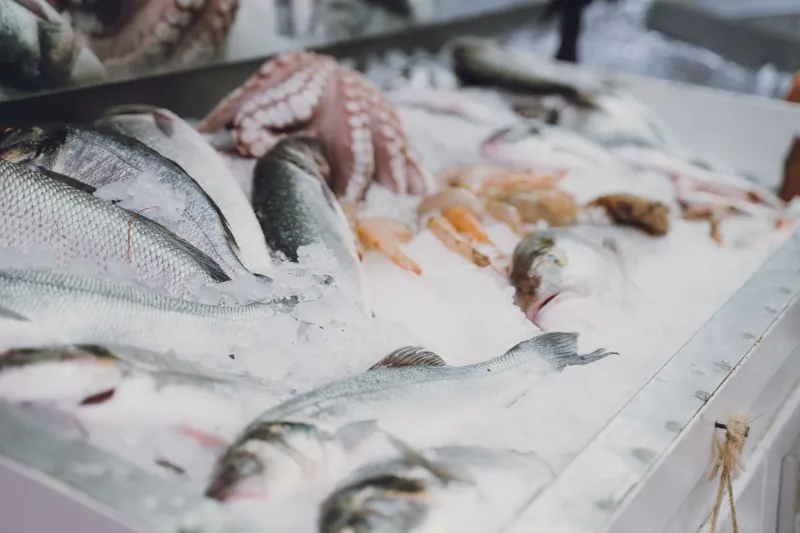
Stand at the fish counter in any decent British market and you'll notice something curious. Rows of beautifully fresh catch sit largely ignored while everyone queues for cod fillets or a side of salmon. It's not that the other fish are inferior — far from it. It's simply that we've got stuck in a rut, and the seafood industry has largely let us stay there.
That's a shame, because Britain's coastal waters are genuinely extraordinary. From the cold, nutrient-rich depths off the Scottish coast to the warmer, shallow bays of Cornwall, we have access to an astonishing variety of fish and shellfish that rarely see the inside of a home kitchen. Here's why it's worth venturing beyond the familiar — and how to actually do it.
Why We Overlook So Much of What's Out There
A lot of it comes down to habit and marketing. Supermarkets stock what sells, and what sells is what people already know. Cod and salmon are safe choices — they're mild, versatile, and easy to cook. Nobody's going to be surprised or put off by a fillet of either.
But this creates a feedback loop. Lesser-known species get less shelf space, so home cooks never develop familiarity with them, so they never buy them, so they get even less shelf space. Meanwhile, some of those overlooked fish are genuinely more sustainable, often cheaper, and — this is the bit that tends to surprise people — frequently more flavourful.
There's also a lingering perception that unfamiliar fish are somehow harder to cook. They're really not. A fillet is a fillet. Most of the techniques you already use work perfectly well across a wide range of species.
Mackerel: The Shining Star Nobody Talks About
Let's start with mackerel, because it's arguably the most underappreciated fish in British waters. It's abundant, sustainably caught around the UK coastline, and when it's genuinely fresh — which it often is at good fishmongers or coastal markets — it's absolutely delicious.
The oiliness that puts some people off is actually the point. That richness means mackerel takes bold flavours brilliantly. Try it simply grilled with a smear of wholegrain mustard, or cured briefly in salt and sugar before serving with pickled cucumber and rye bread. It also handles the barbecue better than almost any other fish — the skin crisps up beautifully and the flesh stays moist.
Fresh mackerel should smell of the sea, not of fish. If your fishmonger's mackerel smells strong, it's past its best. At peak freshness, it's one of the finest things you can eat.
Pollock: The Unsung Workhorse
Pollock (or pollack, depending on who you ask) is one of those fish that often ends up in processed products — fish fingers, fish cakes — without anyone realising it's there. Which is ironic, because as a fresh fillet it's genuinely excellent.
It has a slightly more robust flavour than cod, with a similar flaky texture. It's also substantially cheaper and, depending on how it's caught, considerably more sustainable. The Marine Stewardship Council (MSC) certified pollock is widely available in the UK, so it's a straightforward swap if you're trying to make more responsible seafood choices.
Use it anywhere you'd use cod. In a fish pie, a simple beer batter, or poached gently in a creamy leek and potato broth — pollock handles all of it with ease. Don't overthink it.
Dab, Gurnard, and the Flatfish Worth Knowing
Gurnard has become slightly more fashionable in restaurant kitchens over the past decade, but it still hasn't made the leap to home cooking in any meaningful way. It's a firm, sweet-fleshed fish with a distinctive appearance — all spines and armoured head — that makes it look more intimidating than it is. Ask your fishmonger to fillet it for you and you'll have something that roasts beautifully with herbs and olive oil.
Dab is another flatfish that deserves far more attention. Smaller than plaice and considerably cheaper, it's delicate and sweet. Pan-fried whole in brown butter with a squeeze of lemon, it's one of those simple meals that reminds you why good ingredients need very little interference.
British Shellfish: The Truly Forgotten Catch
If overlooked fin fish are underappreciated, British shellfish are practically invisible in most home kitchens — which is extraordinary given how exceptional they are.
Native oysters from the Helford River in Cornwall or the beds around Whitstable are regarded as some of the finest in the world. Rope-grown mussels from Scottish sea lochs are plump, sweet, and clean-flavoured. Hand-dived scallops from the waters around the Orkney Islands have a reputation that chefs across Europe will happily attest to.
Then there are the less glamorous options: winkles, cockles, whelks — the shellfish of the British seaside tradition that have fallen out of fashion but remain brilliant when treated with a little care. Cockles cooked simply in white wine and butter, served with crusty bread, are a pleasure that costs very little and requires almost no skill.
Where to Find the Good Stuff
The single best thing you can do is find a proper fishmonger. Not every town has one, but they're more common than you might think — and many now operate online, shipping fresh and day-boat caught fish directly to your door. Look for fishmongers who display provenance information: where the fish was caught, how, and when.
Farmers' markets in coastal areas often have fish stalls worth seeking out. Harbour-side fish markets — Brixham in Devon, Billingsgate in London, the fish quay at North Shields — are worth a visit if you're nearby. The fish there tends to be fresh, plentiful, and considerably more varied than anything you'll find in a supermarket chiller cabinet.
Online fish delivery services have expanded significantly in recent years. Several work directly with day-boat fishermen, and the quality can be genuinely outstanding. It's worth trying a few to find one whose sourcing and quality you trust.
A Simple Philosophy
The best approach to unfamiliar fish is the same as it is for any good ingredient: keep it simple. A fresh piece of fish, cooked properly, needs very little help. A hot pan, good oil or butter, salt, and a wedge of lemon will serve you well across almost every species.
Britain's fishing communities deserve better than a market that only values two or three species. And honestly, so do you. The next time you're at the fish counter, point at something you don't recognise and ask the fishmonger what to do with it. You might be surprised where it takes you.