Meet the Makers: How Small British Producers Are Bringing Luxury Ingredients to Everyday Tables
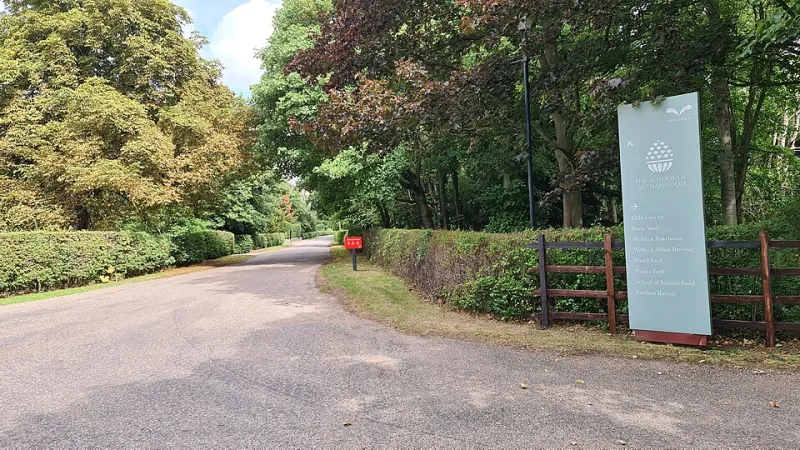
Photo: Chris Morgan , CC BY-SA 2.0, via Wikimedia Commons
There's a quiet revolution happening in British food, and it's not playing out in fancy restaurant kitchens or on prime-time cooking shows. It's happening in converted barns in the Cotswolds, on family-run smallholdings in Yorkshire, and in small curing rooms tucked away in the Welsh valleys. Independent producers across the UK are crafting ingredients of extraordinary quality — and increasingly, they're selling directly to people like you and me.
The old assumption that premium food meant premium prices is starting to crumble. Thanks to farmers' markets, subscription boxes, and the kind of online platforms that let a one-person charcuterie operation in Herefordshire reach a customer in Edinburgh, the gap between artisan excellence and everyday cooking has never been smaller.
Why Direct-to-Consumer Changes Everything
When you buy a jar of honey from a supermarket shelf, you're paying for logistics, packaging, shelf space, and a retailer's margin. When you buy the same jar — or more likely, a far superior jar — directly from a beekeeper at a local market or through their own website, more of your money reaches the person who actually made it. That matters for the producer, obviously. But it also matters for you.
Direct relationships between consumers and makers tend to produce better food. Producers who sell directly to their customers have a powerful incentive to prioritise quality over shelf life, flavour over uniformity. They're not trying to satisfy a supermarket buyer's specification sheet. They're trying to impress the person standing right in front of them — or the one who'll be leaving a review online by Thursday.
Take heritage grain producers, for example. A handful of British farmers have revived ancient wheat and rye varieties — Emmer, Einkorn, Red Lammas — that were largely abandoned during the 20th century in favour of higher-yielding modern strains. These grains have deeper, nuttier flavours and often contain different nutritional profiles. For years, they were almost impossible to find. Now, operations like Hodmedod's in Suffolk (one of the better-known names in this space) and smaller regional growers sell direct through their own websites or at local food festivals, making these once-obscure ingredients genuinely available to home cooks.
The Charcuterie Renaissance
British charcuterie has had something of a moment over the past decade, and rightly so. For generations, cured meats were largely considered a European preserve — something you picked up on holiday in Tuscany or Burgundy. That's changed considerably.
Small-batch British producers are now curing everything from Tamworth pork to wild venison, using traditional techniques alongside genuinely British flavour profiles — think juniper and sloe, or oak-smoked back bacon that bears no resemblance to the watery supermarket stuff. Many of these producers are selling through farmers' markets or specialist online food retailers, with some offering monthly subscription boxes that arrive packed with cured cuts, pâtés, and rillettes.
The price point, while not bargain-basement, is often more reasonable than you'd expect for handmade, small-batch product. And because you're typically buying in slightly larger quantities direct from the maker, the value per portion tends to be genuinely competitive with mid-range supermarket alternatives — while the quality is in a different league.
Finding These Producers Without the Legwork
The honest challenge is discoverability. Artisan producers aren't always the loudest voices in the room, and they're rarely stocked in the places most of us shop week to week. Here are a few reliable ways to track them down.
Local farmers' markets remain one of the best places to meet producers face to face. The FARMA (National Farmers' Retail & Markets Association) website lists certified markets across the UK, and the quality bar for stallholders is generally high.
Online food marketplaces such as Eat17, The Artisan Food Trail, and various regional food hubs aggregate independent producers in one place, often with delivery options. These platforms have done a lot of the curation work for you.
Regional food festivals — from Abergavenny Food Festival in Wales to the Ludlow Food Festival in Shropshire — are brilliant for discovering producers you'd never stumble across otherwise, and many will take orders on the day or point you to their online shop.
Social media, particularly Instagram, has become an unlikely but genuinely useful tool for finding small food businesses. Search hashtags like #BritishArtisan, #FarmersMarketUK, or specific regional tags and you'll find producers posting directly about their products.
Supporting the People Behind the Food
There's something worth saying about why this matters beyond the purely culinary. When you buy direct from a British producer, you're helping sustain the kind of food culture that makes this country's larder genuinely interesting. Heritage grain farmers, small-scale cheesemakers, and independent smokehouses are operating on thin margins. They survive because enough people choose to seek them out.
That doesn't mean you need to overhaul your entire weekly shop. Even making one or two ingredient swaps — a bag of stoneground British flour instead of the standard white, or a small-batch smoked salmon from a Scottish curer rather than the supermarket own-brand — makes a difference. Both to the producer and, frankly, to whatever you're cooking.
British food has always been at its best when it's rooted in place, in season, and in the hands of people who genuinely care about what they're making. The good news is that those people are out there, making remarkable things, and they're easier to find than ever.