Slow Down, Smell the Crust: How Britain's Sourdough Bakers Are Putting Fermentation Back at the Heart of the Loaf
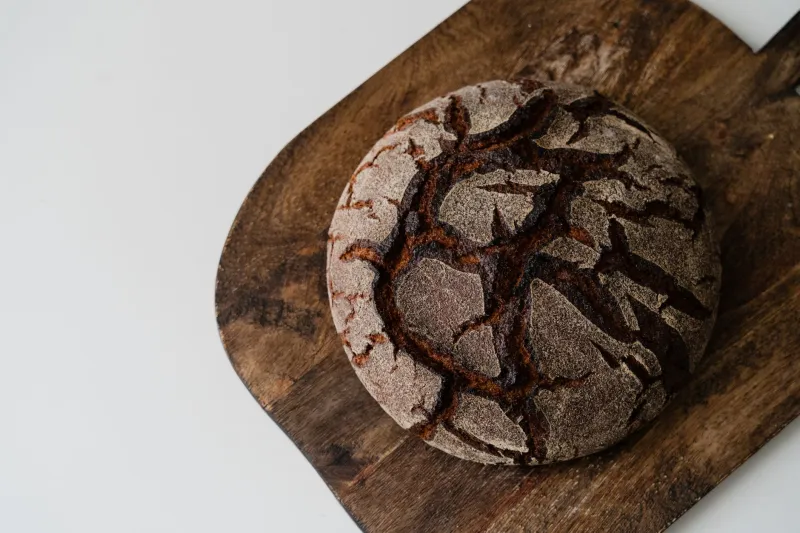
There's a moment — if you've ever pulled a properly made sourdough from the oven — where the crust crackles as it cools, filling the kitchen with something that smells almost alive. That's not an accident. It's the result of hours, sometimes days, of careful fermentation, and it's something a supermarket loaf will never quite replicate, no matter how many times the packaging uses the word "artisan."
Britain's bakers know this. And over the past decade or so, a growing movement of independent bread makers has been doing something quietly radical: slowing everything right down.
Why Commercial Bread Lost Its Soul
To understand what these bakers are reacting against, it helps to know a little history. In 1961, the Chorleywood Bread Process transformed British baking. It was fast, efficient, and scalable — bread could be produced in hours rather than days, and loaves could be softer, larger, and cheaper. By most industrial measures, it was a triumph.
But something was lost. The long fermentation that gives bread its depth of flavour, its complex tang, its digestibility — all of that was compressed or eliminated entirely. The result was a product that looked like bread, smelled vaguely of bread, but tasted, to many, of very little.
For decades, that was simply what British bread was. Then the sourdough bakers arrived.
The Starter: Where It All Begins
At the heart of every sourdough loaf is a starter — a living culture of wild yeast and bacteria that the baker feeds, tends, and nurtures over weeks, months, or even years. Some bakers have starters that are genuinely decades old, passed down or carefully maintained like a family heirloom.
"People think bread is just flour and water," says one Bristol-based baker who has been running a small sourdough operation from a converted railway arch for six years. "But a good starter is its own ecosystem. You're managing a living thing, and that living thing is what makes the flavour."
The fermentation process — that slow, cold overnight rise that most sourdough recipes call for — isn't just about flavour. It breaks down phytic acid in the grain, making nutrients more available to the body. It develops the gluten structure gradually, producing a crumb that's open and chewy rather than tight and spongy. It creates the lactic and acetic acids that give sourdough its characteristic tang. You simply can't rush it.
Heritage Grains and the Return to Provenance
Many of Britain's most passionate sourdough bakers aren't just changing how they ferment — they're changing what they ferment with. Heritage wheat varieties like Emmer, Einkorn, and Red Fife have been making a comeback in British milling, and bakers are paying attention.
These older grains have lower gluten content than modern high-yield wheats, which makes them trickier to work with but far more interesting to eat. They bring nuttiness, sweetness, and a complexity of flavour that modern bread flour simply doesn't have. Paired with long fermentation, the results can be extraordinary.
Several UK mills — including Shipton Mill in Gloucestershire and Marriages in Essex — have been quietly expanding their heritage grain ranges to meet demand from both professional bakers and enthusiastic home cooks. The connection between a specific wheat variety, grown in a specific region, and the loaf that eventually emerges is something these bakers talk about with a fervour that sounds almost agricultural.
"I want to know where my flour comes from," says a Yorkshire baker who sources almost exclusively from northern mills. "The terroir of wheat is real, just like wine. You can taste the difference."
What Makes a Genuinely Great Loaf?
If you're heading to a farmers' market or a specialist bakery looking for real sourdough, there are a few things worth knowing.
The crust should be substantial. A good sourdough has a crust with genuine structure — it should crackle when you press it. If it's soft and yields immediately, it hasn't been baked at a high enough temperature or long enough.
The crumb should be uneven. Those irregular holes you see in a well-made sourdough aren't a flaw. They're evidence of proper fermentation and good dough handling. A perfectly uniform, tight crumb usually means something was rushed.
The flavour should be complex. Sourdough tang varies enormously — some loaves are mildly sour, others quite assertive. Neither is wrong, but both should be interesting. If a loaf tastes flat or bland, the fermentation probably wasn't long enough.
The ingredient list should be short. Flour, water, salt, and starter. That's it. If you see added yeast, dough conditioners, or preservatives, you're not looking at a traditional sourdough.
Fancy Baking Your Own?
The sourdough revival hasn't just happened in bakeries. Lockdown-era Britain produced an extraordinary wave of home bakers who discovered, often with a mixture of pride and bewilderment, that making bread from scratch was both harder and more satisfying than they'd imagined.
If you want to give it a go, the first step is making or obtaining a starter. You can create one from scratch using equal weights of flour and water, refreshed daily for about a week until it becomes reliably active and bubbly. Alternatively, many artisan bakeries will happily give or sell you a portion of their own established starter — it's worth asking.
From there, patience is your most important ingredient. A basic country loaf with an overnight cold fermentation in the fridge is a brilliant starting point. The dough will feel wetter and stickier than you expect — that's normal. Resist the urge to add more flour.
And when that first crust crackles as it cools? You'll understand exactly what all the fuss is about.
A Movement Worth Supporting
Britain's sourdough bakers are doing something that goes beyond making good bread. They're keeping alive a fermentation tradition that was nearly lost entirely, championing British-grown grains, and offering an alternative to the industrialised loaf that has dominated our shelves for sixty years.
Seeking them out — at markets, in independent delis, or through direct delivery — is one of the most straightforward ways to eat better. And once you've tasted the difference, going back to the supermarket aisle feels like a very long step in the wrong direction.