Spice Rack, Meet the Back Garden: Britain's Home Growers Are Cultivating the Unexpected
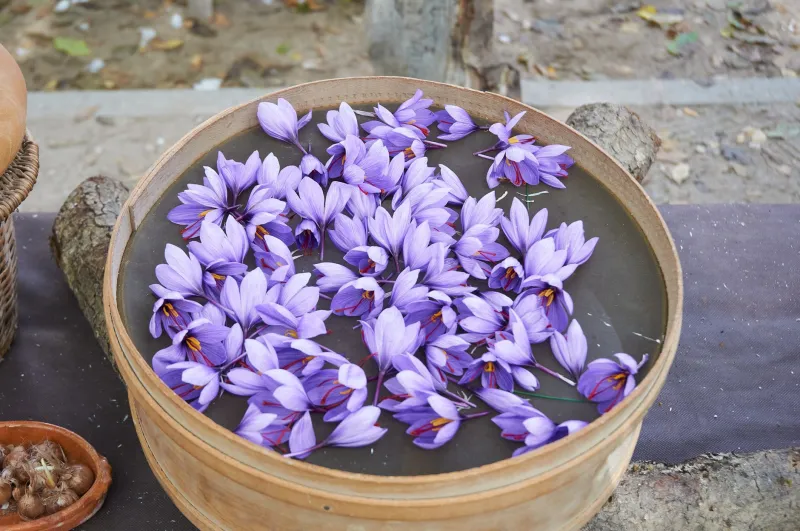
Photo: HaJunkiyada, CC BY-SA 4.0, via Wikimedia Commons
For most of us, spices live in little glass jars on a shelf, shipped in from India, Sri Lanka, or Madagascar, bought without a second thought and used until they go dusty at the back of the cupboard. But a growing number of British home growers are quietly rewriting that story — digging up their lawns, filling polytunnels, and coaxing plants that most people assumed needed a tropical postcode to thrive.
From turmeric rhizomes pushing up through raised beds in the North of England to saffron crocuses carpeting allotment corners in East Anglia, the homegrown spice movement is gathering real momentum. And the flavours? Honestly, they're a revelation.
Why Bother Growing Your Own Spices?
The honest answer is: because it changes everything.
Freshly harvested turmeric has an earthy, almost citrusy brightness that the dried powder in your cupboard simply can't replicate. Homegrown cardamom pods, cracked open minutes before cooking, smell extraordinary — almost floral, deeply aromatic in a way that shop-bought versions rarely manage. And saffron — well, British-grown saffron has a history stretching back to the Middle Ages, so it's less of a novelty than a homecoming.
Beyond the flavour argument, there's a sustainability case worth making. Commercially imported spices often travel thousands of miles and pass through multiple supply chains before they reach your kitchen. Growing even a small quantity at home slashes that footprint considerably — and gives you a far more intimate understanding of what you're cooking with.
"I started with turmeric almost as a joke," says Priya, a home grower from Leeds who now tends a dedicated spice patch alongside her usual vegetable beds. "I'd read that you could grow it here with a bit of care, and I thought, why not? Three seasons later, I'm harvesting enough to keep me going through winter and give bags away to friends. The colour of fresh turmeric is something else entirely."
What Actually Grows in Britain?
Let's be realistic: you're not going to be harvesting cinnamon bark or growing a vanilla orchid outdoors in November. But the list of spices that can be cultivated in the British climate — with varying degrees of effort — is longer than most people expect.
Turmeric (Curcuma longa) is one of the most accessible. It needs a long growing season, warmth, and moisture, which means starting rhizomes off indoors in spring and moving plants outside once temperatures reliably stay above 15°C. In a good summer, you'll get a reasonable harvest; in a polytunnel, you'll do considerably better. The rhizomes can be used fresh, dried, or frozen.
Saffron (Crocus sativus) is perhaps the most exciting prospect for British growers, partly because of its history here. Saffron Walden in Essex takes its name from the spice, which was cultivated commercially across East Anglia from the 14th century onwards. The crocus itself is hardy, flowers in autumn, and requires well-drained soil and a sunny spot. Yields are small — you'll need a lot of corms for a meaningful harvest — but the quality can be exceptional.
Coriander seed and leaf grow easily in British gardens and are often overlooked as a homegrown spice. Let your plants bolt and seed in late summer, then harvest and dry the seeds for a fresher, more complex flavour than anything from a packet.
Fenugreek, nigella (black onion seed), and caraway are all well-suited to British conditions, relatively straightforward to grow from seed, and produce worthwhile harvests without demanding a polytunnel.
Ginger follows a similar path to turmeric — it can be grown in containers or sheltered beds, though it requires patience and warmth. Results vary, but the flavour of fresh homegrown ginger root is noticeably more vibrant than the imported alternative.
Cardamom is the most ambitious on this list. It's a tropical plant that requires consistent warmth and humidity, making it primarily a greenhouse or conservatory project in the UK. That said, several dedicated growers have had success with it, and the pods — even in small quantities — are worth the effort.
Getting Started: Practical Advice for British Conditions
Horticultural expert and allotment holder James Whitmore, who runs growing workshops in the West Midlands, recommends starting with what he calls the "accessible three" — turmeric, coriander seed, and saffron crocus — before attempting anything more ambitious.
"Turmeric is your gateway drug," he says with a grin. "It's forgiving enough to give you a result even if you get some things wrong, and the payoff — that fresh rhizome — is so dramatically different from dried powder that it instantly converts people. Once you've done that, you want to try everything."
His practical tips:
- Start rhizomes and roots indoors in late February or March to extend the growing season
- Use a polytunnel or cold frame for heat-loving varieties whenever possible
- Water consistently but don't waterlog — most spice plants hate sitting in soggy soil
- Harvest in stages rather than taking everything at once, and experiment with using spices fresh rather than always drying them
- Save seed from coriander, caraway, and nigella for the following year — they're generous self-seeders
Cooking with What You've Grown
The most immediate pleasure of homegrown spices is using them as fresh ingredients rather than dried ones. Fresh turmeric root can be grated directly into rice dishes, golden milk, marinades, and chutneys. It adds a depth and brightness that transforms familiar recipes.
A simple roast cauliflower with freshly grated turmeric, olive oil, and a squeeze of lemon is almost absurdly good — the kind of dish that makes you wonder why you ever reached for the jar. Fresh ginger and turmeric together in a quick pickle with white wine vinegar and a pinch of salt makes a brilliant condiment for cold cuts, cheese boards, or grilled fish.
For saffron, the classic British application — saffron buns, particularly the Cornish variety — is a lovely place to start, but don't stop there. A small pinch steeped in warm water and stirred through a simple rice pilaf or a creamy fish chowder makes an immediate difference.
Coriander seeds, lightly toasted and roughly crushed, work beautifully scattered over roasted root vegetables, stirred into bread doughs, or used as part of a dry rub for lamb. The flavour is warmer and more complex than pre-ground powder, and the difference is genuinely noticeable.
A Quiet Revolution on the Allotment
What's driving all of this? Some of it is the same restless curiosity that's been reshaping British food culture for the past decade — the desire to understand ingredients better, to get closer to the source, to cook with more intention. Some of it is straightforwardly economic: quality spices aren't cheap, and growing your own, even in modest quantities, makes financial sense.
But a lot of it, if you talk to the growers themselves, comes down to something simpler. The pleasure of pulling a turmeric rhizome out of the ground, still warm from the soil. The satisfaction of cracking open a cardamom pod you've tended since spring. The slightly ridiculous delight of telling someone the saffron in tonight's dinner came from your back garden.
British growing culture has always been adaptable, creative, and quietly ambitious. Turns out the spice rack was just the next frontier.