Off the Beaten Shoal: The Underrated British Seafood Your Fishmonger Wants You to Try
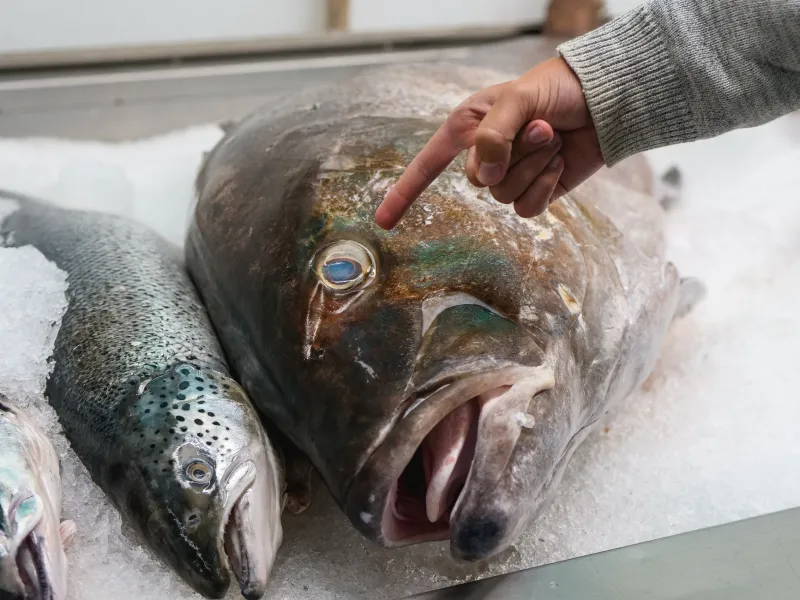
Stand at a British fishmonger's counter long enough and a pattern emerges. Salmon goes first. Then cod. Then a bit of haddock, maybe some tiger prawns that have travelled halfway around the world to get here. Meanwhile, the gurnard sits quietly at the end of the display, the dab goes unnoticed, and the coley — sweet, flaky, and frankly delicious — is quietly loaded back into the van.
It's a strange situation for an island nation. Britain's coastal waters are rich, diverse, and home to dozens of edible species, yet consumer demand has narrowed to a handful of familiar faces. The consequences are well-documented: pressure on cod and salmon stocks, economic strain on inshore fishing communities, and a kind of culinary tunnel vision that means most British households are missing out on some genuinely extraordinary eating.
But things are shifting. A growing number of chefs, fishmongers, and food-conscious consumers are actively championing what the industry calls 'underutilised species' — fish, shellfish, and molluscs that are plentiful, sustainable, and often superior in flavour to the overcrowded stars of the counter.
Why the Same Fish Keep Winning
The dominance of a few species isn't accidental. It's the product of decades of marketing, retail habit, and what food writers sometimes call the 'white fillet problem' — the expectation that fish should arrive boneless, skinless, mild, and entirely without personality. Cod and haddock fit that brief perfectly. Most of Britain's more interesting seafood does not.
There's also the familiarity factor. Home cooks reach for what they know how to cook, and what they know how to cook is what they grew up eating. Breaking that cycle requires either a very persuasive fishmonger or a recipe that makes the unfamiliar feel approachable.
Chefs have a role to play here too. When a species appears on a restaurant menu — prepared well, described engagingly, and priced fairly — it creates a halo effect that filters back into home cooking. Several UK chefs have made it something of a personal mission to put underutilised seafood at the centre of their menus, and the results have been genuinely encouraging.
The Species Worth Knowing
Gurnard is perhaps the most commonly cited example of a fish that deserves far more attention than it gets. Ugly, armoured, and blessed with a head that makes up roughly half its body weight, gurnard is not a glamorous catch. But the flesh is firm, sweet, and holds together beautifully in robust preparations — it's brilliant in a bouillabaisse-style broth, roasted whole with fennel and white wine, or simply pan-fried with brown butter and capers. It's abundant in British waters and typically very well priced.
Pouting (sometimes called bib) is a small member of the cod family that's frequently dismissed as bait. That's a shame, because it's actually rather good eating when very fresh — delicate, mild, and suited to quick cooking. The catch is that it deteriorates fast, so you'll want to buy it from a fishmonger with a rapid turnover. Cook it simply: dusted in seasoned flour and fried in a generous knob of butter, it's genuinely lovely.
Dab is a flatfish that lives in the shadow of its more celebrated cousins, plaice and sole. It's smaller, less visually striking, and often overlooked entirely. But dab has a clean, sweet flavour and a fine texture that rewards simple treatment — grilled whole with lemon and herbs, or cooked en papillote with a splash of dry cider and some sliced shallots.
Coley (also known as saithe) is a workhorse fish that's been quietly sustaining British coastal communities for centuries and is now largely forgotten. It has a slightly darker flesh than cod, a more pronounced flavour, and a firmer texture that makes it excellent in fishcakes, pies, and curries. It's also consistently one of the most sustainable choices at the counter. If you haven't cooked with coley recently, it's time to revisit it.
Razor clams are a bivalve that British waters produce in abundance but British kitchens rarely see. Long, elegant, and slightly sweet, they cook in minutes and suit bold flavours — try them with chorizo, garlic, and a splash of sherry, or simply steamed open with white wine and parsley. They're also a favourite on the menus of some of the UK's most exciting coastal restaurants, where chefs have been showcasing their versatility for years.
Spider crab is perhaps the most dramatic example of the gap between what British waters produce and what British consumers eat. The UK is one of Europe's largest exporters of spider crab — most of it goes to Spain and France, where it's considered a delicacy. At home, it's almost entirely absent from mainstream fishmongers. The meat is sweet, rich, and complex, and while the shells are fiddly to navigate, the reward is more than worth the effort.
Cooking With Confidence
The biggest barrier to cooking unfamiliar seafood is confidence, and the antidote to that is simplicity. Most underutilised species don't need elaborate treatment — in fact, the more straightforward the approach, the better the flavour tends to show.
A good rule of thumb: if a fish is fresh and well-sourced, it needs very little. Butter, acid, heat, and seasoning. A squeeze of lemon, some fresh herbs, a glass of something cold to drink while you cook. The fundamentals of great British seafood cookery haven't changed, and they apply just as well to gurnard as they do to sea bass.
For shellfish and molluscs, the same principle holds. Razor clams opened over a hot pan with white wine and a handful of parsley is a dish that takes ten minutes and tastes like a very good seaside restaurant. Spider crab dressed simply with mayonnaise, lemon, and perhaps a little brown meat mixed through is one of the finest things you can eat in summer.
Supporting British Fishing Communities
Choosing underutilised species isn't just an environmental decision — it's an economic one. Inshore fishing communities around the British coast have faced significant challenges over recent decades, and broadening consumer demand for the full range of what's caught in UK waters helps support a more viable, diverse fishing industry.
Many of the best fishmongers around the country — particularly those who work directly with day-boat fishermen — are already stocking a wider range of species and are more than happy to guide you through what's in season and how to cook it. That conversation, between customer and fishmonger, is where the real change happens.
Britain's seas are generous. It's time we started eating like it.