Liquid Gold and Ancient Ale: Inside Britain's Honey and Mead Renaissance
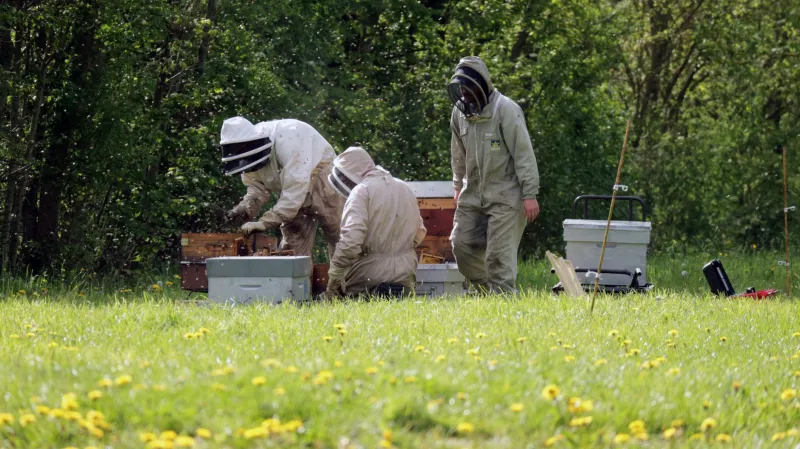
Honey is one of those ingredients that most of us take entirely for granted. A jar lives at the back of the cupboard, called upon occasionally for a hot drink when someone has a cold or to drizzle over porridge on a Sunday morning. It does the job. We don't think much about it.
That, according to the people who keep bees and make mead for a living, is a very great shame indeed.
The Terroir of a British Hive
The word terroir — that French concept describing how environment shapes flavour — is most commonly associated with wine. But spend any time with a serious British beekeeper and you'll quickly understand that honey has terroir too, and it's as expressive and regionally distinct as any bottle of Burgundy.
A heather honey from the Scottish Highlands or the North Yorkshire Moors is a completely different product from a clover honey produced in the English lowlands or a wildflower honey gathered from a farm in the Welsh Marches. The differences aren't subtle. Heather honey is thick, almost gelatinous, with a deep, slightly medicinal intensity and a resinous finish that lingers. Clover honey is lighter, cleaner, and sweeter. Borage honey, increasingly common in the east of England where the crop is grown for its oil, has a delicate floral quality that's almost perfumed.
Small-scale apiarists across the UK are now making the most of this diversity, producing named single-origin honeys that reflect specific landscapes and seasonal forage. Some label by county or region; others go further, identifying the precise flora their bees have worked. It's a level of provenance that would have seemed unusual a decade ago and now feels entirely at home alongside the single-estate olive oils and single-origin chocolates that have become part of how quality-conscious British consumers shop.
A Craft Under Pressure
Before we go further, it's worth acknowledging something: British beekeeping exists under considerable strain. Varroa mite, habitat loss, pesticide use, and the broader collapse of insect populations have made keeping bees harder and more precarious than at any point in recent memory. The people doing this work are not just producing a wonderful ingredient — they're actively maintaining a pollinator population that the wider food system depends on.
Supporting British honey producers, then, is not just a matter of taste. It's a genuinely meaningful act of food citizenship. Buy from small producers at markets and farm shops, look for British-origin labelling, and pay the price that reflects the real cost of the work. A jar of properly made single-origin British honey is worth every penny.
The Mead Revival: Ancient Drink, Modern Kitchen
If British honey has been quietly underappreciated, mead has been positively neglected. For most people, it conjures images of Viking feasts and medieval banquets — enjoyable historically, but hardly relevant to a modern dinner table.
That perception is shifting fast. A growing number of small British producers are making meads that bear no resemblance to the sweet, one-dimensional drinks of popular imagination. These are carefully crafted fermented beverages with real complexity — dry meads that sit comfortably alongside white wine at dinner, session meads light enough to drink on a summer afternoon, and aged meads with the kind of depth you'd associate with a serious dessert wine.
Some producers are going further still, creating melomels (meads fermented with fruit) that use British soft fruit and hedgerow berries to brilliant effect. Blackcurrant mead from Scottish fruit. Elderflower and gooseberry. Damson. The flavour combinations are rooted in the British landscape in a way that feels authentic rather than gimmicky.
"Mead is the most British drink there is," says one Shropshire-based producer who started making it as a hobby before demand turned it into a full-time operation. "We've just forgotten that. We're reminding people."
Cooking with Honey: Beyond the Jar
Back to the kitchen, because honey deserves to be there far more often than most of us allow it.
The most important thing to understand is that different honeys behave differently in cooking, and choosing the right one matters. Strong, assertive honeys — heather, buckwheat, chestnut — hold their own in marinades, glazes, and dressings where you want their flavour to come through. Delicate honeys, like acacia or borage, are better used raw or added at the end of cooking, where heat won't strip away their subtlety.
A few ideas worth trying:
Honey and mustard dressing made with a robust British wildflower honey is a different thing entirely from the same dressing made with a supermarket blend. The complexity carries through.
Glazed roast parsnips or carrots finished with heather honey and a little cider vinegar in the last few minutes of roasting develop a caramelised depth that's genuinely extraordinary.
Cheese and honey is one of the great British combinations, and matching the honey to the cheese is worth thinking about. A sharp Cheddar or crumbly Cheshire sings alongside a dark, intensely flavoured honey. Creamy soft cheeses pair better with something lighter and more floral.
Honey in baking — particularly in bread, flapjacks, and biscuits — rewards experimentation. Swap out golden syrup for a good British honey and notice how much more interesting the result becomes.
Mead at the Table
If you haven't tried using mead in cooking, it's a revelation. A dry mead used to deglaze a pan after cooking pork or chicken adds a honeyed sweetness that's less heavy than wine and more complex than apple juice. A splash added to a sauce for game brings a depth that feels very much in keeping with the British countryside.
For drinking, pair a dry mead with cheese in place of a dessert wine, or serve a lighter session mead lightly chilled alongside a summer spread. The conversation it starts is almost always worth having.
Where to Find the Good Stuff
Farmers' markets remain the best place to discover small-scale British honey producers — look for those who can tell you exactly where their bees forage and what the current season's harvest tastes like. Several specialist online retailers now stock a curated range of British single-origin honeys, and independent delis are increasingly stocking artisan varieties worth exploring.
For mead, the British Mead Makers Association is a useful starting point, and a growing number of farm shops and independent drinks retailers are beginning to stock British meads alongside craft beers and ciders.
Give both a proper chance. You'll wonder what took you so long.