Out of the Hedgerow: What Britain's Foragers Are Finding — and What It Means for Your Cooking
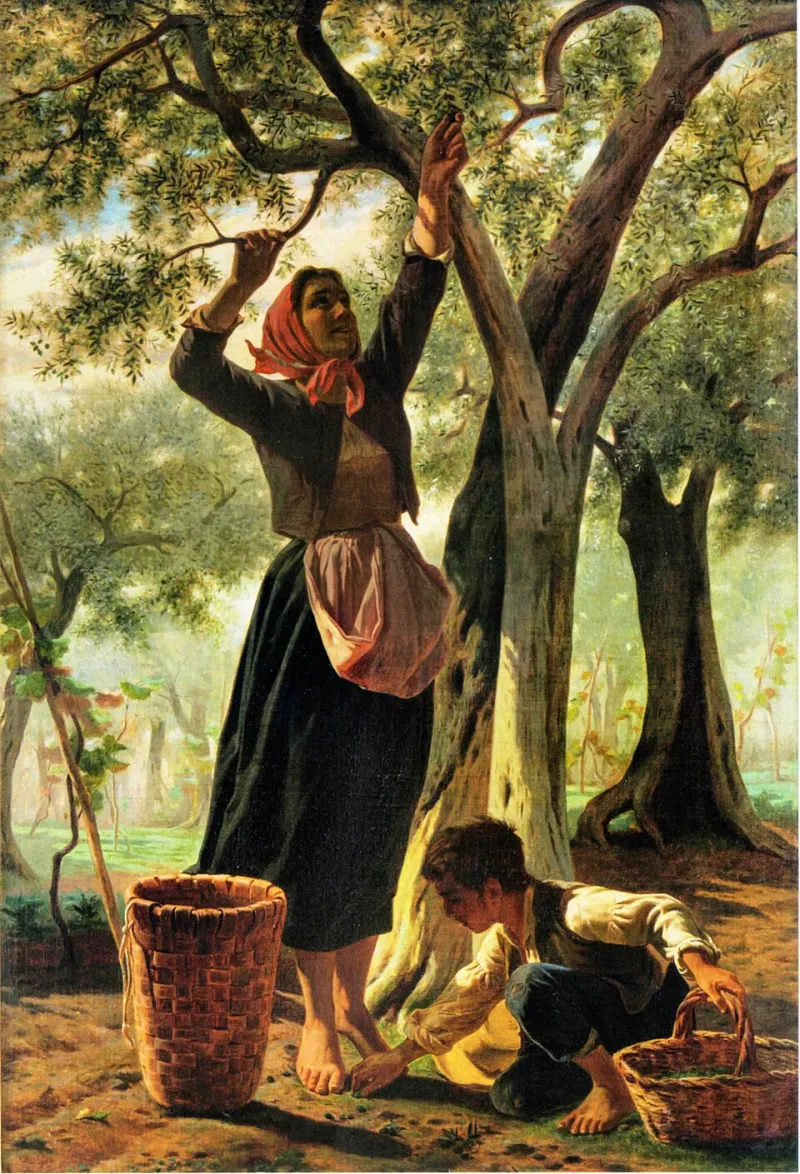
Photo: Luigi Bechi, CC BY-SA 4.0, via Wikimedia Commons
There's a lane near Totnes in Devon where, in late summer, the air smells faintly of almonds. The source isn't a bakery or a café — it's meadowsweet, a frothy white wildflower that grows in dense clusters along the verge. To most people walking past, it's simply part of the scenery. To forager and wild food educator Jess Hartley, it's an ingredient.
"Meadowsweet makes the most incredible panna cotta," she says, without a trace of irony. "You infuse it in warm cream, strain it, and set it. It has this soft, floral, almost marzipan quality. People taste it and genuinely can't believe it came from a roadside."
This is what separates the forager's eye from everyone else's. Where most of us see scenery, they see a larder.
Britain's Wild Kitchen
Foraging has been part of British life for thousands of years, long predating supermarkets, supply chains, or even the concept of a grocery shop. Our ancestors gathered from the land as a matter of survival. Then, gradually, we stopped — or at least most of us did.
The recent resurgence of interest in wild food is partly driven by the same forces fuelling the broader food culture shift: a desire for provenance, a growing scepticism of industrial food production, and a genuine curiosity about where flavour actually comes from. But it's also something more instinctive. There's a particular thrill in finding and eating something you sourced yourself, something that didn't come wrapped in plastic.
Britain, it turns out, is extraordinarily well-provisioned for wild food. Our varied landscapes — coastal, moorland, woodland, hedgerow, chalk downland — support a remarkable diversity of edible plants, fungi, seaweeds, and shellfish. The challenge isn't scarcity. It's knowledge.
Beyond Berries and Mushrooms
Ask most people what they'd forage and they'll say blackberries, maybe mushrooms if they're feeling adventurous. But professional foragers like Jess will tell you that's barely scratching the surface.
Hawthorn berries, for instance — those small, deep-red fruits that appear on hedgerow thorns every autumn — make a remarkable ketchup, somewhere between tomato and something wilder, earthier. Hogweed seeds (the native variety, emphatically not the invasive giant hogweed, which is toxic) have a citrusy, almost cardamom-like flavour that works brilliantly in baking and spice rubs. Jack-by-the-hedge, or garlic mustard, grows in abundance along woodland edges in spring and has a gentle garlicky bite that's perfect in salads or pestos.
On the coast, there's sea purslane, rock samphire, and sea beet — the wild ancestor of spinach, chard, and beetroot — all of which are nutritious, flavoursome, and largely ignored by the people walking past them.
"People are always surprised by the breadth of what's out there," says Tom Ashfield, who leads foraging walks in the New Forest and has been working with wild ingredients for over a decade. "They come expecting to find a handful of things they recognise and leave with a completely different picture of the British countryside."
The Ecological Argument
It would be easy to romanticise foraging without acknowledging the responsibilities that come with it, and the best practitioners in the field are very clear on this point.
Done well, foraging is genuinely sustainable. Taking small quantities of abundant wild plants has minimal ecological impact and can actually support biodiversity by encouraging people to develop a relationship with natural landscapes — and therefore a stake in protecting them. But done carelessly, it can cause real harm. Stripping a site of a single species, disturbing nesting habitats, or harvesting protected plants are all genuine risks when knowledge and restraint are absent.
The foraging community in the UK is largely self-regulating, guided by a set of informal but widely observed principles: never take more than you'll use, never uproot a whole plant, always leave more than you take, and learn to identify anything you intend to eat with absolute certainty before it goes anywhere near your mouth.
That last point is non-negotiable. Misidentification is the central risk of foraging, and it's not one to treat lightly. Hemlock water dropwort, for example, can be mistaken for wild celery by the inexperienced. Giant hogweed causes severe burns on contact with skin. A handful of wild plants look superficially similar to edible species but are genuinely dangerous.
The solution isn't to avoid foraging — it's to learn properly.
Learning the Land
The good news is that access to quality foraging education in the UK has never been better. Guided walks led by qualified practitioners are available across the country, from Dartmoor to the Scottish Highlands, and they offer the safest and most enjoyable way to build a foundation of knowledge.
Books like Roger Phillips' definitive Wild Food remain essential reference texts. Apps like iNaturalist can help with initial identification, though they should always be used alongside expert guidance rather than as a substitute for it. And increasingly, professional foragers are running courses, supper clubs, and pop-up events that bring wild ingredients directly to curious food lovers who aren't quite ready to head into the woods alone.
Jess runs a monthly wild food supper club from a barn near her home, where every course features at least one foraged ingredient. "It's a way of showing people what's possible without them having to do the identification work themselves," she explains. "Once they've tasted wood sorrel or elderflower or sea vegetables cooked properly, they want to understand where it came from. That's when the real learning starts."
What This Means for Your Kitchen
You don't need to become a full-time forager to benefit from what this community knows. Even a basic familiarity with a handful of common, easily identifiable wild ingredients can open up new dimensions in your cooking.
Elderflower, which appears in late May and June across most of England and Wales, is perhaps the most accessible starting point. The flowers are unmistakable, the plant is abundant, and the flavour — delicate, floral, faintly muscat — is one of the great British seasonal gifts. Infuse them in sugar syrup and you've got the base for cordials, desserts, dressings, and cocktails that capture something genuinely seasonal and place-specific.
Sloe berries, ripening after the first frosts in October and November, are another forager's staple. Beyond the classic sloe gin, they can be used to make a rich, jammy fruit cheese that pairs beautifully with game and strong hard cheeses.
The point isn't to replace your weekly shop with a basket and a pair of wellies. It's to add a layer of seasonal, place-rooted flavour to your cooking that you simply can't buy — and to develop a slightly different relationship with the landscape you live in.
Britain's wild larder is extraordinary. It just needs a little more attention.