Roast Your Own: How Britain's Green Bean Revolution Is Changing the Way We Make Coffee at Home
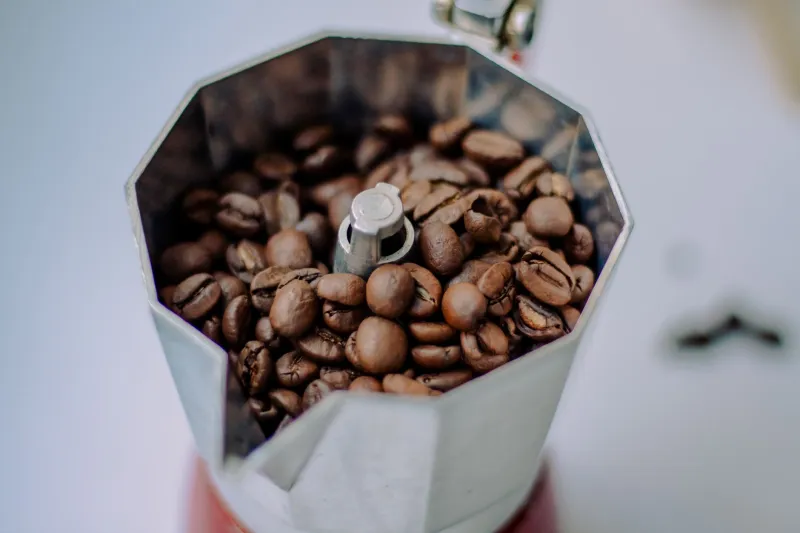
There's a moment, somewhere between the first crack and the second, when a handful of pale, grassy green beans transforms into something extraordinary. The colour deepens, the aroma shifts from vegetal to rich and chocolatey, and you realise — perhaps for the first time — that coffee is not a product. It's a process. And increasingly, British home cooks are deciding they want to be part of it.
Home coffee roasting has been bubbling away on the fringes of the UK's food culture for years, but something has changed recently. The combination of better access to quality green beans, more affordable entry-level roasting equipment, and a growing community of enthusiasts sharing knowledge online has pushed it firmly into the mainstream. What was once a niche hobby for the most dedicated caffeine nerds is now something your neighbour might be doing on a Sunday afternoon.
Why Roast at Home?
The most obvious question is: why bother? Decent roasted coffee is more accessible than ever in the UK, with independent roasters in virtually every town and a healthy mail-order market supplying the rest of the country. So what's the pull?
For many home roasters, it comes down to freshness. Roasted coffee begins to stale almost immediately, losing its more delicate aromatic compounds within days of leaving the roaster. When you roast your own, you can time it precisely — most roasters recommend a resting period of 24 to 72 hours after roasting before brewing, to allow CO₂ to off-gas — and then consume the coffee at its absolute peak.
There's also the question of control. Green beans, when stored correctly in a cool, dry place, can keep well for over a year. That means you can buy in bulk from a trusted supplier, then roast small batches to order, adjusting your roast profile each time based on how you're planning to brew. Espresso generally benefits from a slightly darker roast than filter, for example, and home roasting lets you dial that in with real precision.
And then there's the sheer pleasure of it. Coffee roasting is one of those skills that rewards attention and patience in equal measure — qualities that great British home cooks tend to have in abundance.
Sourcing Your Green Beans
The UK micro-roasting scene has been instrumental in making green bean sourcing accessible to home enthusiasts. A number of small British operations now sell raw, unroasted beans directly to the public, often with detailed tasting notes, processing information, and suggested roast profiles to guide you.
When you're choosing green beans, the same principles that apply to buying roasted coffee hold true. Origin matters — Ethiopian naturals tend toward fruity, wine-like profiles, while Colombian washed coffees often deliver that classic clean, balanced cup. Processing method (washed, natural, honey) dramatically affects the final flavour, as does altitude and variety.
What's worth noting is that the UK's independent green bean suppliers are increasingly focused on direct trade relationships, working with smallholder farmers and cooperatives to ensure fair prices and consistent quality. Buying green beans from these suppliers isn't just good for your cup — it's a more transparent and often more ethical way to engage with the global coffee supply chain.
Getting Started: Equipment Without the Intimidation
The good news is that you don't need a commercial drum roaster in your kitchen to get started. Entry-level options range from simple stovetop methods to purpose-built home roasters, and each has its merits.
The popcorn maker method is the classic beginner's route. A hot-air popcorn maker — the kind you'd find in a charity shop for a few quid — circulates hot air in a way that mimics a fluid bed roaster. It's not elegant, it can be a bit smoky, and you'll need to do it outdoors or with the extractor fan running flat out, but it works. You'll typically roast 80–100g at a time, which is enough for a few brews and gives you a genuine feel for the process.
Dedicated home roasters like the Behmor or the Sandbox Smart R1 offer more control and consistency. These machines let you monitor bean temperature, adjust airflow, and in some cases programme repeatable roast profiles via a connected app. They're a step up in investment — expect to spend anywhere from £150 to £400 — but for anyone serious about the craft, they're worth every penny.
Cast iron pan roasting is the most hands-on approach. It requires constant stirring, a decent kitchen thermometer, and nerves of steel, but some experienced home roasters swear by the results, arguing that the direct heat gives a depth of flavour that air roasting can't quite replicate.
Understanding the Roast
Whichever method you choose, the fundamentals are the same. Green beans go in pale and dense. Heat causes a series of chemical reactions — the Maillard reaction, caramelisation, pyrolysis — that develop flavour and colour. The process is punctuated by two audible events known as 'first crack' and 'second crack', each marking a significant shift in the bean's structure and flavour profile.
Light roasts, pulled just after first crack, retain more of the bean's origin character — those fruity, floral, or tea-like notes that specialty coffee lovers prize. Medium roasts balance origin character with roast development, producing the kind of rounded, versatile cup that works brilliantly across different brewing methods. Dark roasts, taken into or beyond second crack, are bold and smoky, with the roast flavour itself becoming the dominant note.
There's no right answer. The best roast is the one that suits your palate and your preferred brewing method, and the beauty of doing it yourself is that you can experiment freely until you find your sweet spot.
Cooling and Storing Your Roast
Once you've hit your target roast level, you need to cool the beans quickly to stop the roasting process. Spread them out on a baking tray and either fan them vigorously or use a colander to toss them in the air — this also helps blow off the papery chaff that comes loose during roasting. Once cool, transfer to an airtight container and leave to rest before brewing.
Store your roasted beans in a dark, cool place — not the fridge, which can introduce moisture and unwanted aromas. A ceramic canister with a one-way valve is ideal, allowing CO₂ to escape without letting oxygen in.
The Community That Makes It Click
One of the most enjoyable aspects of home roasting is the community that surrounds it. Online forums, local enthusiast groups, and social media communities are full of people sharing roast logs, swapping bean recommendations, and troubleshooting each other's results. The UK home roasting scene, in particular, has a warmth and generosity of spirit that makes it a genuinely welcoming place for beginners.
If you've already been thinking about taking your coffee obsession to the next level, there's never been a better time to start. The beans are out there, the equipment is accessible, and the results — when you finally pour that first cup of coffee you've roasted entirely yourself — are more than worth the effort.